Is Chicago safe? A straight answer for visiting executives
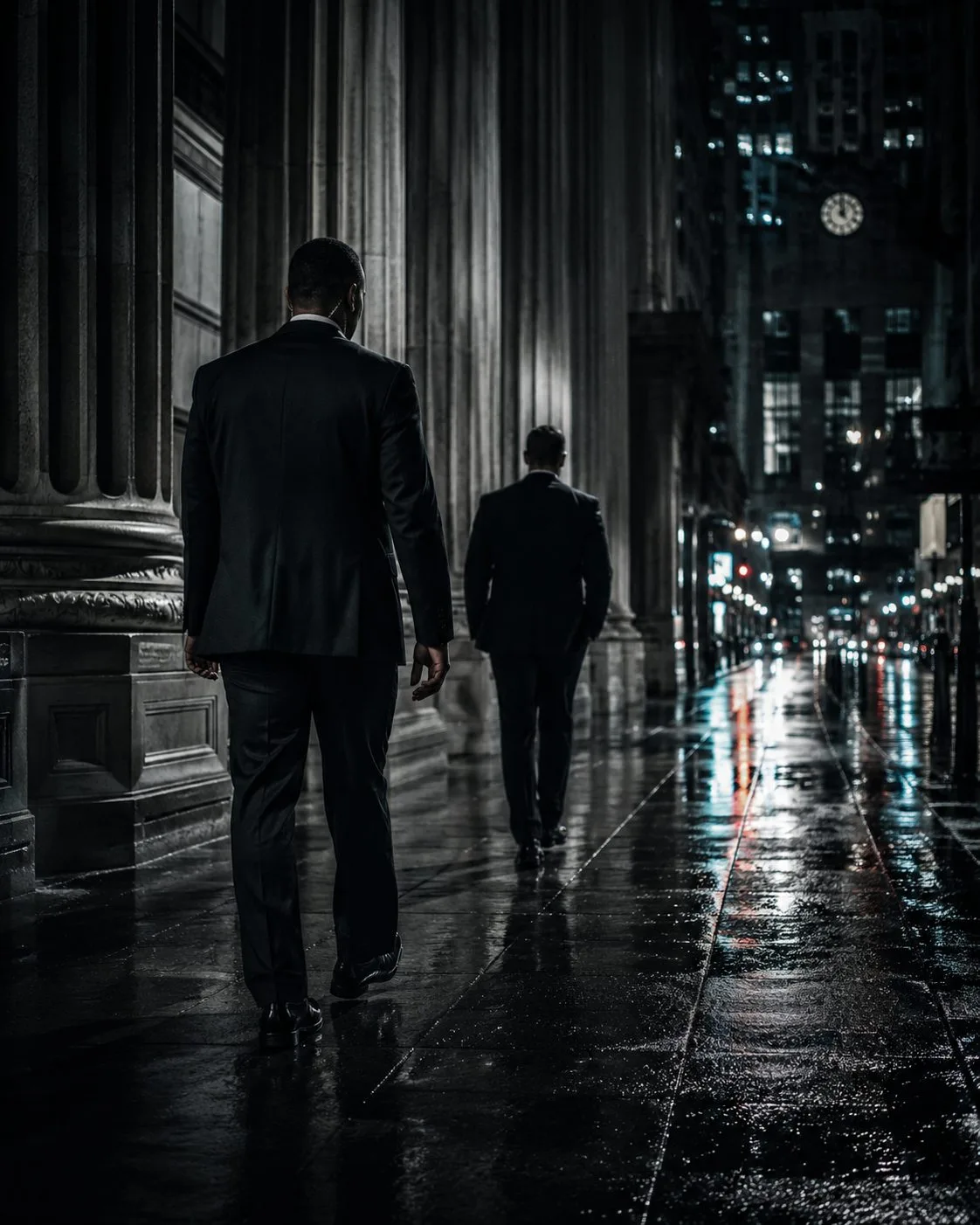
Most executive visits to Chicago pass without incident, and the risk that does exist depends on the traveler's profile, itinerary, and context more than on the city's reputation. On a typical business trip, exposure tends to concentrate in transitions, arrivals, departures, garages, and late returns, rather than distributed across the city. The reputation is built on conditions that have little overlap with a typical downtown business itinerary. That does not mean there is nothing to plan for. It means planning for the right things.
What the reputation gets wrong
I spent twenty years as a Chicago police officer, much of it in Homicide. The violence that drives the city's national reputation is real, and it is also geographically concentrated and, in my experience, largely not random. It occurs in specific neighborhoods, largely between people who know each other, and it has little relationship to a visitor moving between a hotel in the Loop, a meeting in River North, and a dinner on Randolph.
Executives who arrive expecting the city they have seen described tend to make two mistakes at once. They over-prepare for the wrong threat and under-prepare for the ordinary one.
Where exposure actually sits
The ordinary threat to a business traveler is opportunistic and it concentrates in a few moments:
- Transitions. Curbside at the airport, the walk from a garage, the twenty feet between a car and a lobby door. Attention is divided, hands are full, and the pattern is easy to read.
- Late returns. The end of a long dinner, on foot, on an unfamiliar block, after a drink or two. In my experience it is one of the more common settings for a bad outcome on a business trip, in any city.
- Parking structures. Low visibility, poor sight lines, predictable pedestrian routes.
- Published schedules. A conference agenda that lists a speaker's session time and venue is a published itinerary. So is a LinkedIn post about a keynote.
- Rideshare pickups. Standing on a curb with a phone up, waiting for a car you have not confirmed, is a pattern worth breaking.
Habits that close ordinary exposure
Good travel habits matter on every trip. Arrange pickups to minimize time spent waiting in the open. Have someone confirm arrival and departure times. Use the hotel entrance rather than the garage stair at night. Do not broadcast the itinerary before the trip, and be deliberate about what a conference program reveals. Keep the phone down while walking between buildings.
A protective detail builds these habits into the plan, so the principal does not have to think about them.
When a detail adds the most value
Protection earns its place when the trip carries something beyond ordinary exposure: a public appearance, a contentious meeting, a termination or a negotiation with a known temperature, a name that has recently been in the press, or a specific threat that predates the trip. It is also the right call when a schedule is genuinely public and the principal is the reason people are in the room.
For a three-day trip, coverage is built around the itinerary: an advance on the venues, secure transport between them, and agents placed at the moments that carry the most exposure. It is sized to the trip, and it comes out of reading the itinerary rather than the city's reputation.
TB Defense is based in Chicago and led by a Chicago Police officer with 20 years of service. We protect executives visiting Chicago and traveling nationally and internationally. Get protected.
Common questions
Is Chicago dangerous for business travelers?
Not in the way its reputation suggests. Most business visits pass without incident, and risk depends on the traveler's profile, itinerary, and context. Much of the city's serious violence is geographically concentrated and largely not random, with little overlap with a typical downtown itinerary. For most visiting executives, the exposure is ordinary and opportunistic, concentrated in transitions, late returns, and parking structures.
What is the riskiest part of a business trip to Chicago?
Transitions. Curbside at the airport, the walk from a garage, and the short distance between a vehicle and a lobby door. Late returns on foot after dinner are another common setting for a bad outcome on a business trip, in any city.
Does a three-day trip call for executive protection?
It does when the trip carries a public appearance, a contentious meeting, recent press attention, or a specific existing threat. Coverage is built around the itinerary: an advance on the venues, secure transport between them, and agents placed at the moments that carry the most exposure.