What does an executive protection agent actually do?
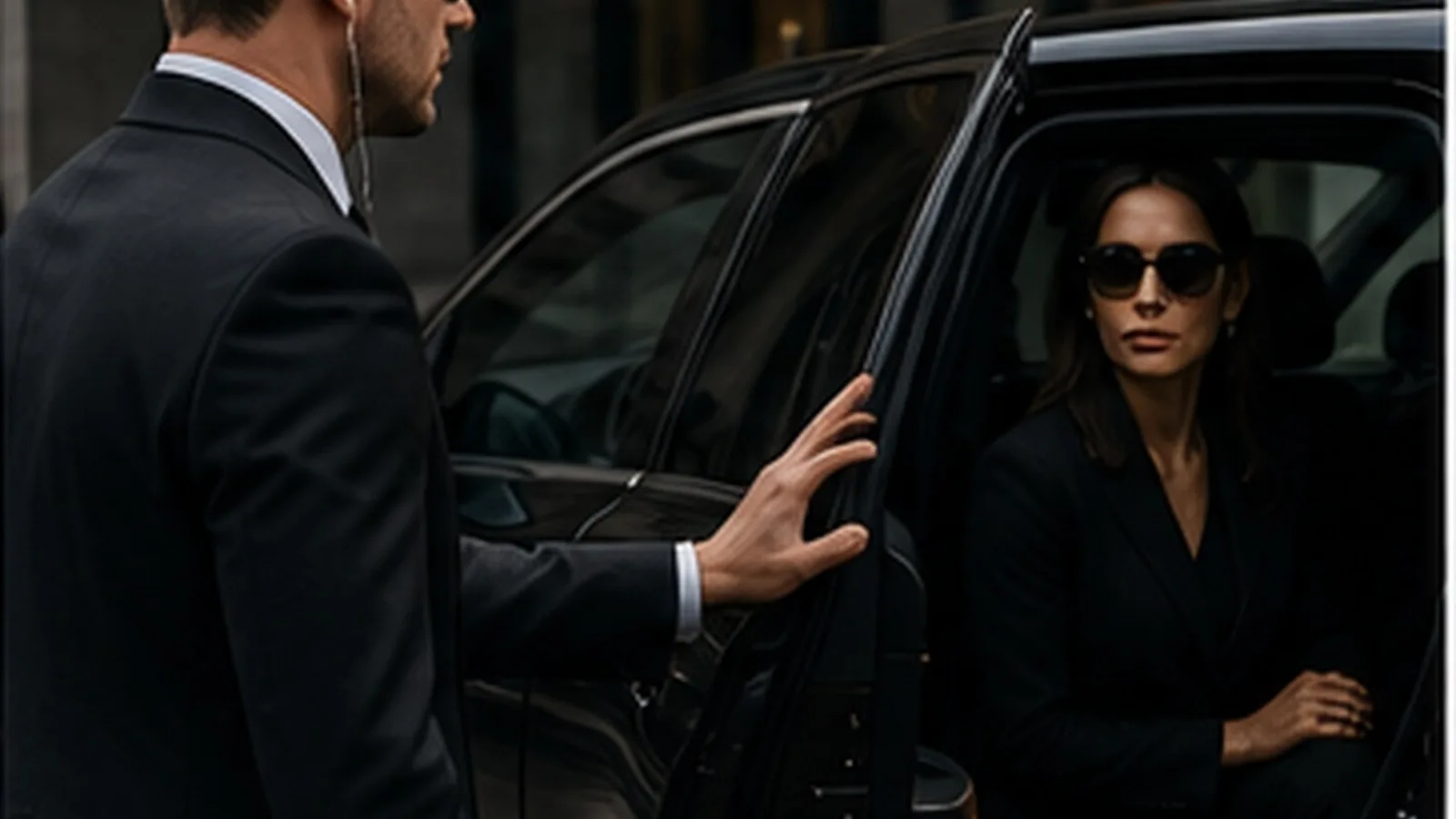
Ask most people to picture an executive protection agent and they describe a large man in sunglasses standing beside someone famous. That image is not just incomplete. It points at the least important part of the job. The work that protects someone happens mostly out of sight, and a good agent is judged by how little appears to happen at all.
After 20 years as a Chicago police officer, much of it in Homicide and Counterterrorism, I have a fairly direct view of how violence develops and how it is prevented. Almost none of it looks like the movies. Here is what executive protection actually involves.
The work starts before the principal moves
The single most valuable thing an agent does is the advance. Before a principal arrives anywhere, the agent has already studied the venue, identified the entrances and exits, located the medical assets, and figured out where a problem could come from and where to go if one does. A route to a dinner has a primary path and an alternate. An arrival has a plan for where the car stages and how the principal moves from curb to door.
By the time the principal is in motion, most of the meaningful decisions have already been made. An incident that gets prevented usually gets prevented here, in planning a visitor never sees, not in a dramatic moment at the scene.
During the detail, the job is mostly attention
On site, the agent’s primary tool is not force. It is awareness. The work is continuous assessment: who is in the room, who does not belong, where the exits are, what changed since the last scan. Most of protection is noticing things early enough that they can be handled quietly, with a small adjustment rather than a confrontation.
A skilled agent also manages the environment without making the principal feel managed. They fit the setting. A protective presence at a board dinner should look nothing like one at a public appearance, and an agent who cannot read the difference is a liability in either.
When something does go wrong, the response is trained, not improvised
There are moments that call for direct action, and an agent has to be capable of it. But the goal of every one of those moments is the same: create distance, get the principal to safety, and bring in law enforcement. Protection is about controlling the situation long enough to remove the person being protected, not about winning a fight. The decision to use force, and how much, is governed by training and by law, and a professional is trained to understand where those legal lines are and to stay well inside them.
The work continues after the detail ends
After an engagement, a good agent documents what happened, notes anything unusual, and feeds it back into the planning for next time. Patterns matter. A car that appeared twice, a person who lingered, a route that proved unreliable, these become part of how the next detail is planned. Protection improves by paying attention over time, not by reacting in the moment.
What separates a professional from a presence
Anyone can stand next to someone. Executive protection is the planning, the judgment, and the discipline that surround that presence. It is the advance work no one notices, the threat read early enough to matter, the restraint to handle a situation without escalating it, and the discretion to keep a client’s life private while keeping the client safe.
When you evaluate a protection firm, that is the question to ask: not how imposing the agents look, but how seriously they take the work you will never see. That work is the job.
TB Defense is based in Chicago and led by a Chicago Police officer with 20 years of service, with executive protection that works locally, nationally, and internationally. If you are considering protection for yourself, your family, or your leadership team, Get protected. Consultations are confidential.
Common questions
What does an executive protection agent actually do?
Most of the work is advance planning and continuous attention rather than physical confrontation. Before a principal arrives anywhere, the agent has studied the venue, identified entrances and exits, located medical assets, and worked out where a problem could come from.
What is the advance in executive protection?
The advance is the work done before the principal moves. A route to a dinner has a primary path and an alternate. An arrival has a plan for where the car stages and how the principal moves from curb to door. Incidents that get prevented are usually prevented here.
What happens when something does go wrong?
The goal is to create distance, get the principal to safety, and bring in law enforcement. Protection is about controlling the situation long enough to remove the person being protected, not about winning a fight, and the use of force is governed by training and by law.